
Sharing Your Work Through Photography
While our pieces speak best when held in hand, photography is a necessary tool that we use to promote our work on social media, website, and for the printed promotional materials for guild events. Sometimes, a photograph is the first introduction to a potter, the guild, and show. Taking strong photographs of your work doesn’t require expensive equipment or a professional studio setup. Quality photographs can be taken with your smartphone, a nearby window, and giving some attention to lighting and focus.
As our guild prepares promotional materials for the upcoming show, we wanted to share a few simple photography tips that can help showcase your work. Many of these suggestions require little or no special equipment and can be done with tools most of us already have at home.
Start with light
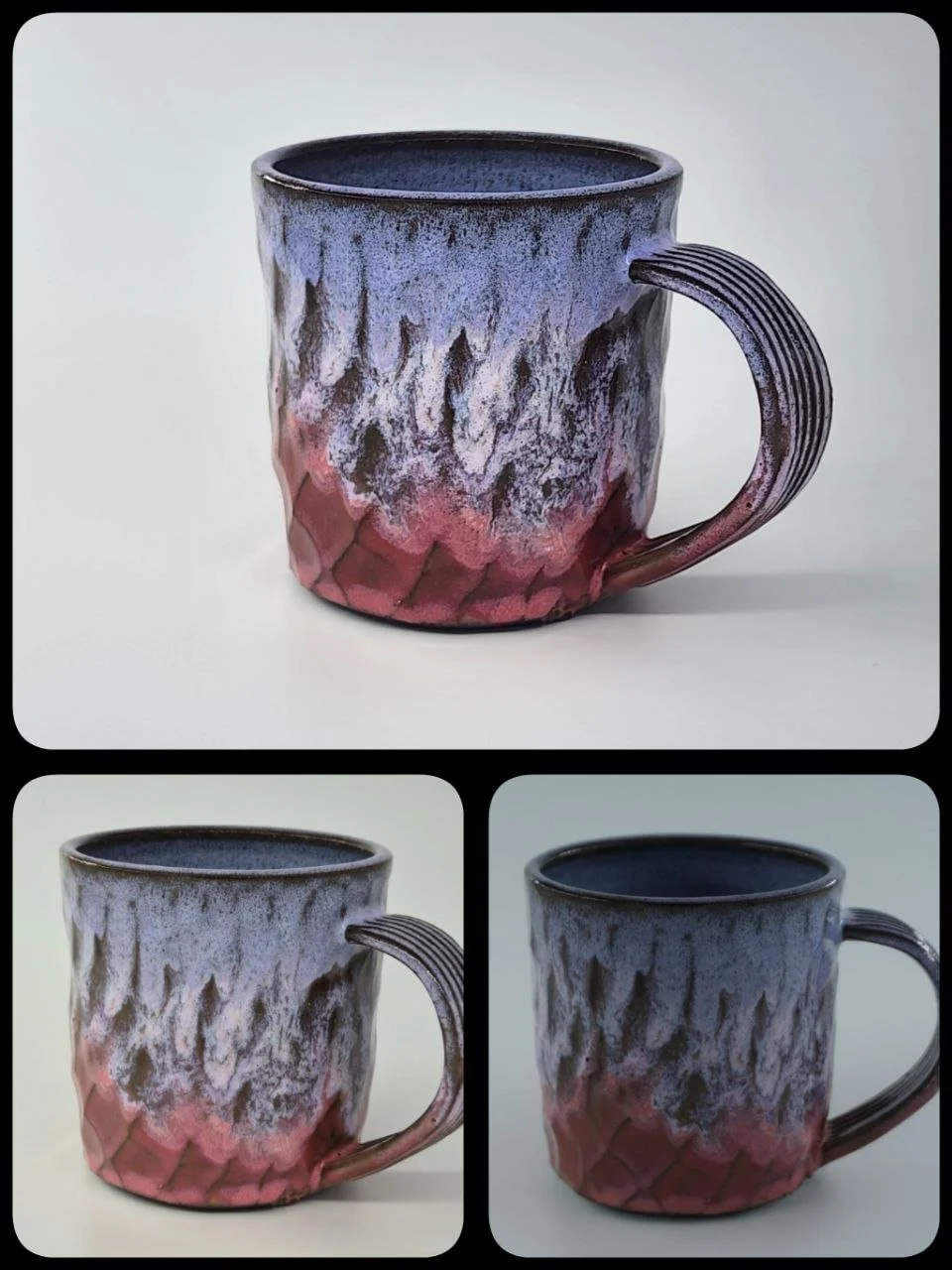
More than the camera itself, good lighting is what makes or breaks your photograph. Soft, indirect light will help reveal the texture, glaze variation, and form in ways that harsh direct lighting cannot.
Letting light wrap around the form reveals the subtle details, if you can’t avoid bright reflections, sheer curtains can help soften the light hitting your piece.
Light boxes or tents (available on Amazon and other sites) can be relatively inexpensive and come with materials included that help diffuse light evenly. Some even have adjustable lights, granting you more control about where the light comes from.
Consider using a bright window on a cloudy day, a light box/soft tent, or taking photos outdoors in the morning or later afternoon when the sun is lower in the sky.
Avoid using direct sunlight, overhead room lighting, or using the flash on your camera.
Mug example: photos of a mug were taken in a light box with lighting in different positions. The bottom right is simply too dark and the bottom left doesn’t capture the details of the glaze. Once the lighting is repositioned and adjusted the glaze details really pop. It always helps to take a few photos of your pieces and review them to compare how different lighting changes the image. The short video below shows an adjustable light in a light box, it can be moved to different areas of the frame, and rotates to give a fair amount of control over lighting. The mug photos were all taken in this box, with a white backdrop, and the only thing that changed was the position and angle of the lighting.
Choosing a background
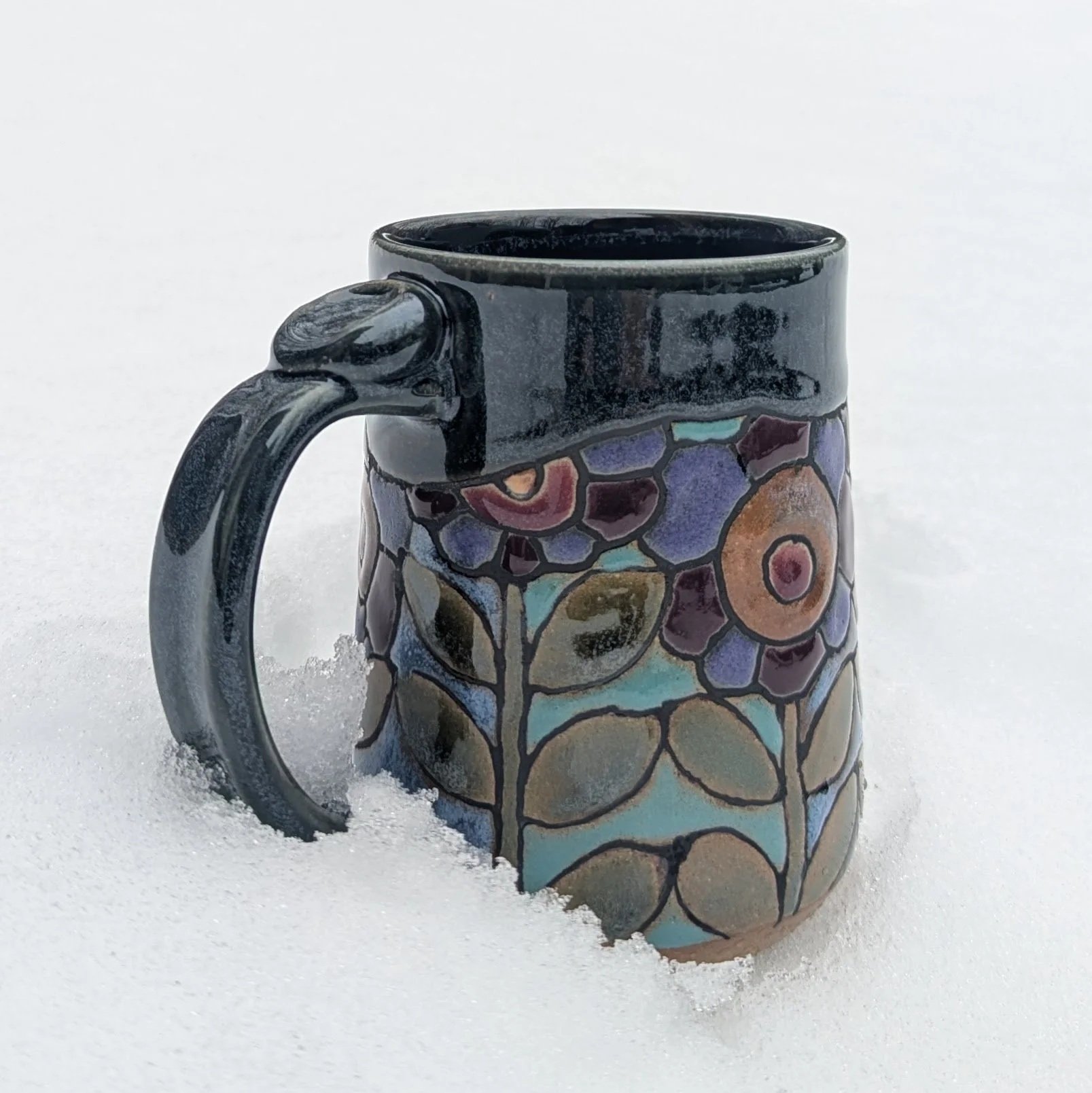
For the show application, be sure to remove clutter and visual distractions. Taking photos of your pots with a standard white or dark background is preferred by the show committee to best review your work. This also applies to many shows where a jury might review your work for acceptance. It’s always great to have a few photos of your best work in this format.
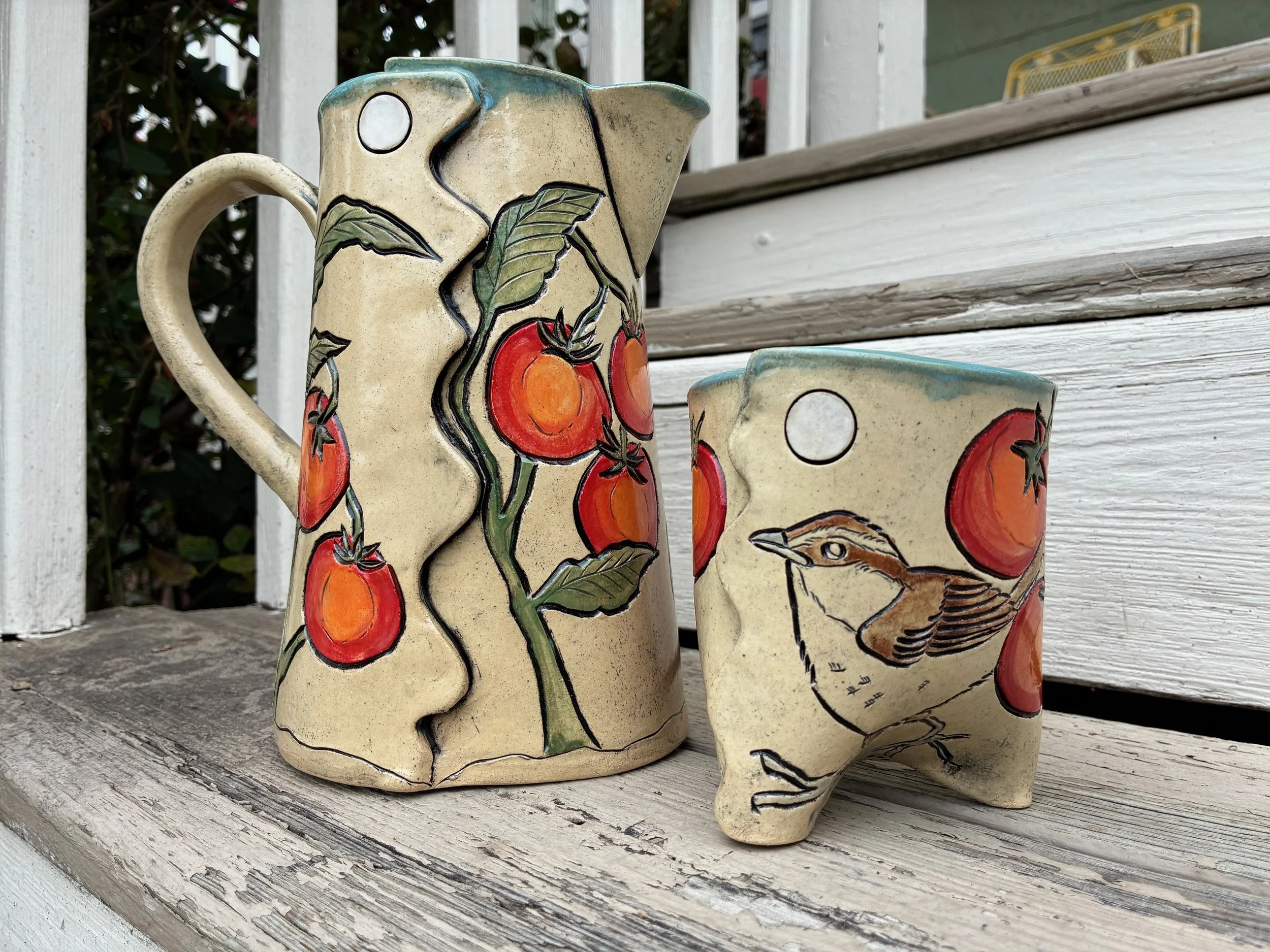
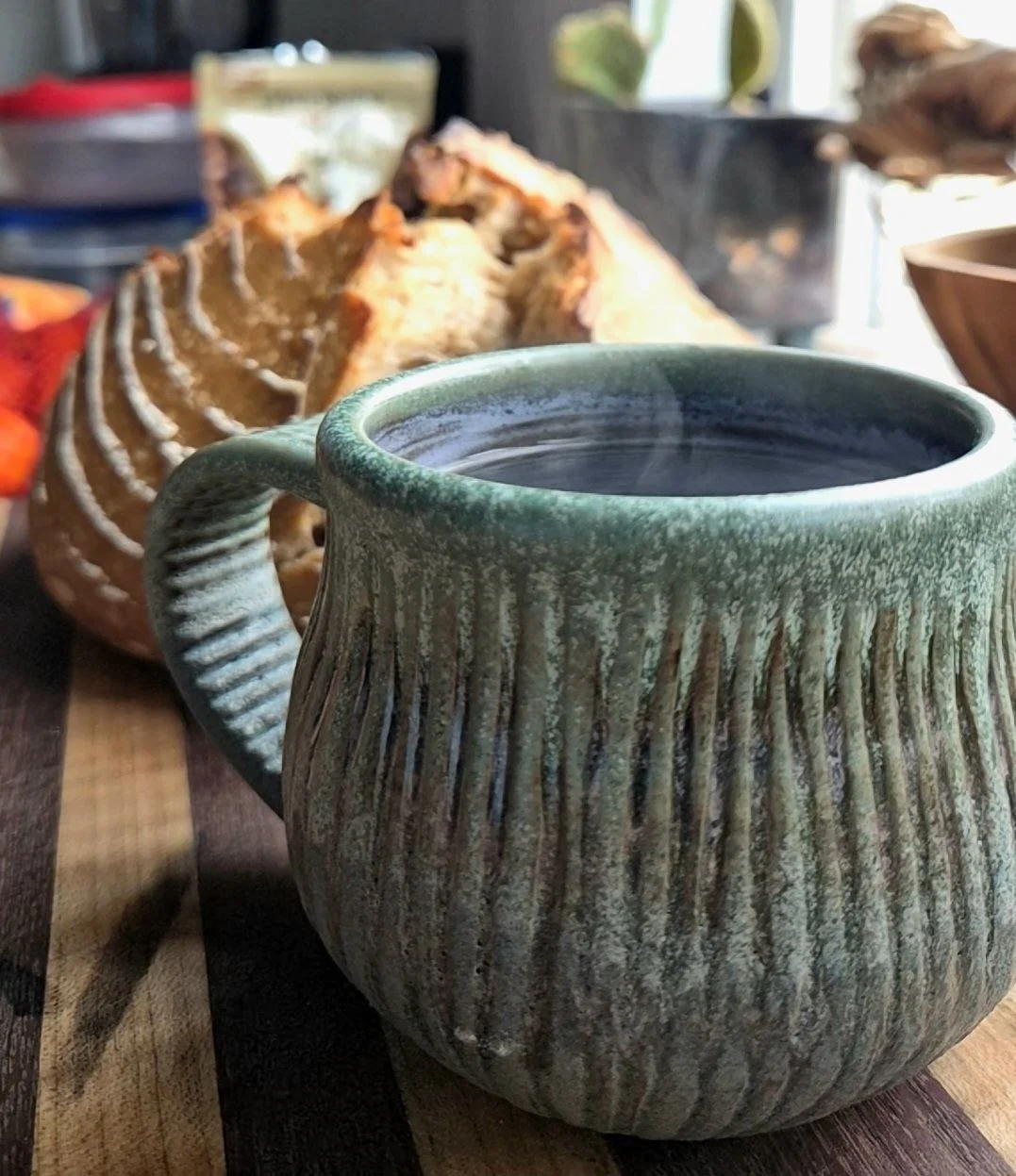
For social media and promotional images, backgrounds don’t necessarily need to have a plain white or dark background. In fact, interesting settings can help viewers imagine how a piece might be used in their space. A mug with steaming tea in it sitting on a counter, or a bowl filled with fruit tell a nice story about how the piece can be used and enjoyed. Consider setting up your work on tables, out in the garden, on a kitchen counter, on the shelves in your studio - play around and see what works in your indoor and outdoor space.
Another nice tip, on many phones, you can change the ratio of your image. The standard is usually 9:16 (Android) or 4:3 (iPhone), but you can change that ratio to frame your image better. Maybe a 1:1 works best because it crops out some of the background and frames your pot better.
*Note: even with a functional background or added elements, the goal is still to avoid distraction. Make sure that the pottery is always the main focus of the image!

Using your smartphone camera
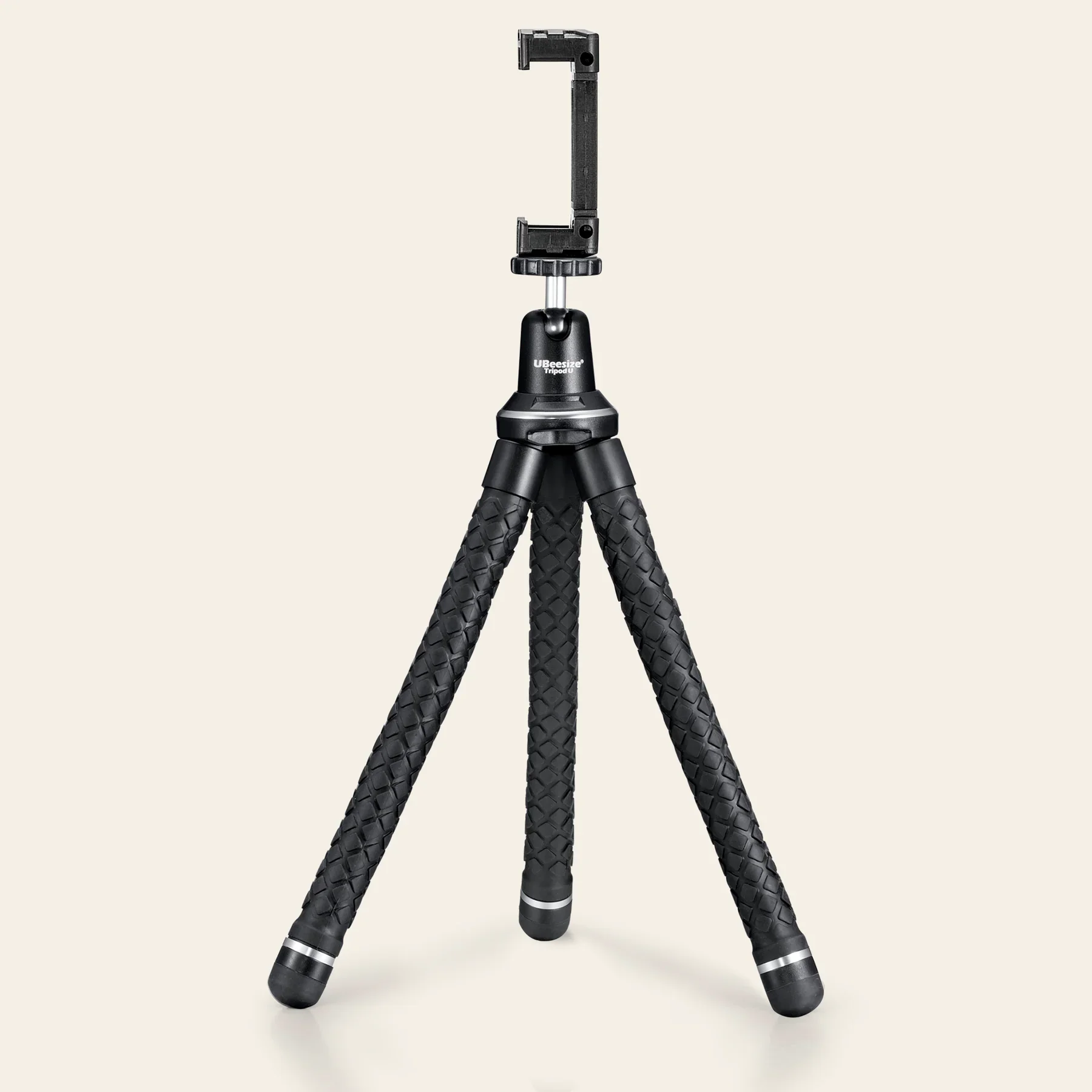
Smartphone cameras are more than capable and perfectly adequate for taking photos for social media, our website, and small print materials. Here are some tips for improving your phone photos:
Clean your camera lens
Use a small tripod to stabilize your phone
Tap the screen to focus directly onto your piece
Don’t use digital filters
Take photos from different angles and see what you like best
Use a timer function to avoid shaking the camera (even the slightest movement can make an image blurry!)
Image quality
When submitting photos for guild purposes, its important to send the original image whenever possible. Screenshots, texted images, or photos downloaded from social media often lose a large amount of detail. The original photograph stored on your phone or other camera usually provide the highest quality photo. If we need to, we can always resize images to a smaller format, but increasing size often results in losing quality.
One tip that can help you know if the photo you’ve taken is large enough - if you zoom in on the image and it still appears sharp and clearly shows the surface details of your piece, then the photo quality should be good for us to share across platforms.
Show the details

A single photograph rarely tells the entire story of a piece. Consider taking several different images to show off your pots:
The full piece
Side views
Close-ups of carving, decoration, or beautiful glaze flows
Handles and rims
Interior glazes
The piece being held in hand
We are happy to show off the highlighted details that you love most about your work!
Remember…
Taking good quality photos of your work helps to share the beauty, craftsmanship, and personality of your work with people who may not have had the opportunity to hold it in their hands (but will hopefully want to hold it in their hands). Good lighting, a steady camera, and thoughtful composition often matter far more than expensive equipment. With a little practice and patience, you can definitely take some photos that you (and the Guild) can use to represent your work and tell the story behind the pieces you make.
If you happen to be savvy in photographing pots and have tips to add, feel free to share in the comments! Also, please reach out with questions or leave them in the comments, we are happy to help.
Happy photographing, and we can’t wait to see what everyone is making!
-Stephanie